
Plastic surgery is a medical specialty that involves reconstructing, restoring, or altering the human body. While many people associate plastic surgery with cosmetic procedures, the field also includes reconstructive surgery for patients affected by injuries, burns, birth differences, or disease.
Understanding the difference between cosmetic and reconstructive procedures can help patients make informed decisions about treatment. Whether someone is considering a facelift, breast reduction, rhinoplasty, scar revision, or reconstructive surgery, careful research and consultation with a qualified surgeon are essential.
What Is Plastic Surgery?
Plastic surgery is a broad branch of medicine focused on repairing, reconstructing, or changing parts of the body. The word “plastic” in plastic surgery does not refer to synthetic material. It comes from a word meaning to shape or mold.
The specialty generally includes two major areas:
- Cosmetic surgery, which aims to improve appearance or alter a feature.
- Reconstructive surgery, which aims to restore function or appearance after injury, illness, surgery, or a congenital condition.
Many procedures involve both physical and emotional considerations. For this reason, the best approach is based on realistic expectations, individual health, and a thorough understanding of potential benefits and risks.
Common Types of Cosmetic Plastic Surgery
Rhinoplasty
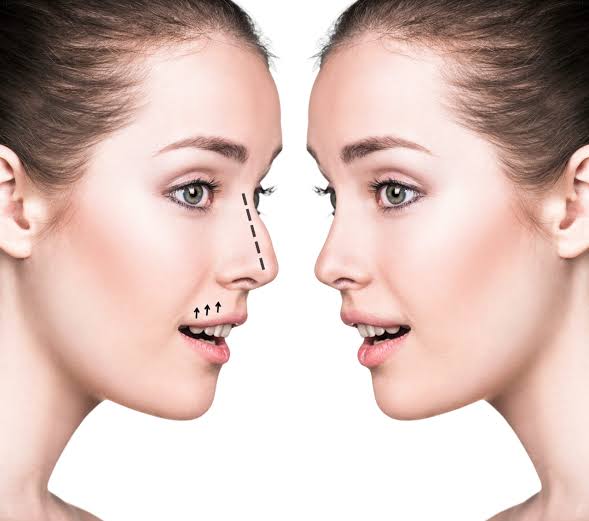
Rhinoplasty, often called a nose reshaping procedure, changes the structure or appearance of the nose. Depending on the individual case, it may also be performed to address certain structural breathing concerns.
People may consider rhinoplasty to change the size, shape, profile, or proportions of their nose. Recovery varies from person to person, and swelling can take time to fully resolve.
Breast Surgery
Plastic surgery includes several types of breast procedures, including:
- Breast augmentation
- Breast reduction
- Breast lift
- Breast reconstruction
A consultation should include discussion of the patient’s goals, medical history, recovery expectations, and possible long-term considerations.
Liposuction
Liposuction is a surgical procedure used to remove localized fat deposits in selected areas. It is not a substitute for weight management or a healthy lifestyle.
Common treatment areas may include the abdomen, thighs, hips, arms, or other areas depending on the patient’s individual circumstances.
Facelift
A facelift is designed to address visible signs of aging in the face and neck. It may improve the appearance of loose skin and changes in facial contours.
Patients should understand that surgical procedures cannot stop the natural aging process. Results vary based on factors such as skin quality, anatomy, age, and lifestyle.
Eyelid Surgery
Eyelid surgery, also known as blepharoplasty, may involve the upper eyelids, lower eyelids, or both. Some people seek the procedure for cosmetic reasons, while other cases may involve functional concerns related to excess upper-eyelid tissue.
Reconstructive Plastic Surgery
Reconstructive plastic surgery can play an important role in restoring physical function, appearance, or both.
Examples include:
- Burn reconstruction
- Breast reconstruction following cancer treatment
- Scar revision
- Hand surgery
- Facial reconstruction after trauma
- Reconstruction following the removal of tumors
- Correction of certain congenital differences
The goals of reconstructive surgery depend on the individual patient and the condition being treated. Some patients may require multiple procedures over time.
Potential Benefits of Plastic Surgery
The benefits of plastic surgery vary significantly depending on the procedure and the patient.
Potential benefits may include:
- Restoring function after injury or illness
- Improving physical comfort
- Addressing certain congenital conditions
- Changing a physical feature that causes significant dissatisfaction
- Improving the appearance of scars
- Reconstructing areas affected by trauma or surgery
Cosmetic improvements may also contribute to personal confidence for some patients. However, surgery is not a guaranteed solution for emotional, relationship, or life problems.
Understanding the Risks
Every surgical procedure involves potential risks. These may include:
- Bleeding
- Infection
- Scarring
- Pain
- Anesthesia-related complications
- Poor wound healing
- Changes in sensation
- Unsatisfactory aesthetic results
- The need for additional procedures
Specific risks depend on the type of surgery, the patient’s health, the surgical technique, and other individual factors.
A responsible surgeon should explain the relevant risks before treatment. Patients should feel comfortable asking questions and discussing concerns.
What Happens During a Consultation?
A plastic surgery consultation usually begins with a discussion about the patient’s goals. The surgeon may ask about medical history, medications, allergies, previous surgeries, and lifestyle factors.
The consultation may include:
- An evaluation of the area being considered for treatment.
- A discussion of realistic treatment goals.
- An explanation of surgical and non-surgical options.
- Information about potential risks and complications.
- A review of recovery requirements.
- Discussion of costs and possible future procedures.
Patients should avoid feeling pressured into making an immediate decision.
Recovery After Plastic Surgery
Recovery depends on the procedure. Some treatments may involve a relatively short recovery period, while major surgery can require several weeks or longer.
Common recovery recommendations may include:
- Following wound-care instructions
- Taking medications exactly as directed
- Avoiding strenuous activity when instructed
- Attending follow-up appointments
- Avoiding smoking when advised
- Allowing adequate time for healing
Patients should contact their medical team if they experience symptoms that may indicate a complication.
Choosing the Right Surgeon
Choosing an appropriately trained and qualified surgeon is one of the most important steps in the process. Patients should verify a practitioner’s credentials, experience, and qualifications relevant to the specific procedure they are considering.
Useful questions include:
- What training do you have for this procedure?
- How often do you perform this surgery?
- What are the potential risks in my case?
- What will recovery involve?
- What type of results are realistic for me?
- What happens if complications occur?
Patients should also be cautious of misleading guarantees, unusually aggressive marketing, and pressure to make a quick decision.
Is Plastic Surgery Right for You?
There is no universal answer. A procedure that is appropriate for one person may not be appropriate for another.
Good candidates generally understand that:
- Surgery has limitations.
- Results cannot be guaranteed.
- Recovery requires time and commitment.
- Every procedure has risks.
- A healthy lifestyle may support overall recovery.
- Realistic expectations are important.
A qualified medical consultation is the best way to determine whether a specific procedure is appropriate.
Final Thoughts
Plastic surgery includes far more than cosmetic enhancement. It is a diverse medical specialty that can reconstruct the body after trauma, improve function, revise scars, and change physical features.
Anyone considering plastic surgery should focus on informed decision-making rather than quick results. Understanding the procedure, choosing a properly qualified surgeon, discussing personal goals honestly, and following appropriate medical guidance can help patients make a more informed choice.
