
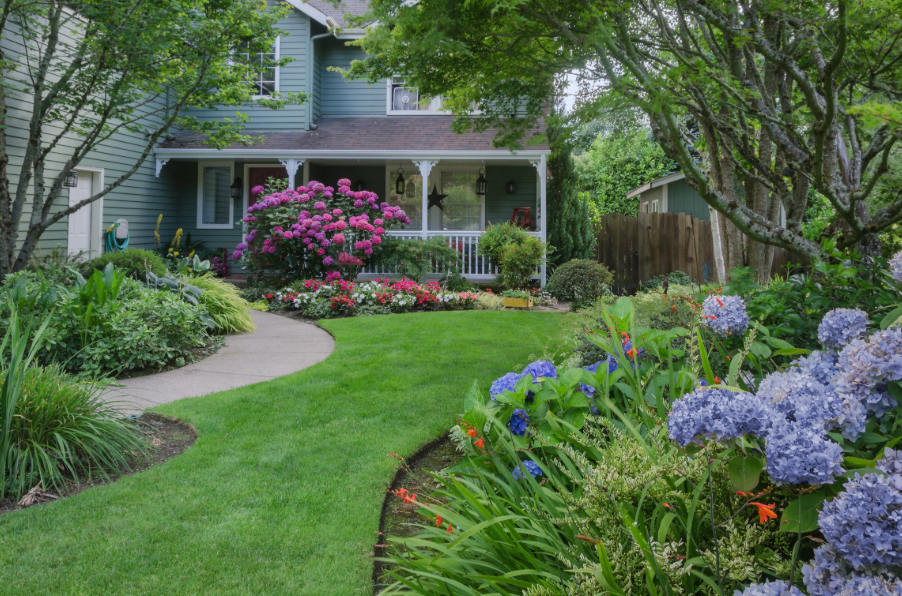
Landscaping is much more than planting flowers and mowing lawns. It is the creative and practical process of designing outdoor spaces to enhance their beauty, functionality, and environmental value. Whether it is a residential garden, a commercial property, or a public park, effective landscaping can dramatically improve the appearance and usability of an area.
Today, landscaping combines artistic vision with technical expertise. Professional landscapers consider factors such as climate, soil conditions, drainage, plant selection, and maintenance requirements to create sustainable and visually appealing environments.
The Importance of Landscaping
Landscaping plays a significant role in improving the quality of outdoor spaces. A well-designed landscape creates a welcoming atmosphere and can significantly increase property value. Studies have shown that attractive outdoor environments often make homes and businesses more appealing to visitors and potential buyers. For a landscaping company Smith Mountain Lake contact Wingfield Excavating & Landscaping.
Beyond aesthetics, landscaping also contributes to environmental health. Trees and plants improve air quality, reduce soil erosion, and provide habitats for wildlife. Green spaces can lower temperatures in urban areas and help manage stormwater runoff.
Key Elements of Landscape Design
Successful landscaping relies on several essential elements working together harmoniously.
Plant Selection
Choosing the right plants is one of the most important aspects of landscaping. Plants should be selected based on local climate conditions, soil type, sunlight availability, and water requirements. Native plants are often preferred because they require less maintenance and are naturally adapted to the local environment.
Hardscaping Features
Hardscaping refers to non-living elements within a landscape, such as patios, walkways, retaining walls, decks, and decorative stones. These features provide structure and functionality while complementing the surrounding greenery.
Water Features
Water features such as fountains, ponds, and waterfalls can add tranquility and elegance to a landscape. The sound of flowing water creates a relaxing atmosphere and can become a focal point within the design.
Lighting
Outdoor lighting enhances safety, security, and visual appeal. Strategically placed lights can highlight architectural features, pathways, trees, and garden beds while extending the usability of outdoor spaces after sunset.
Sustainable Landscaping Practices
Sustainability has become an increasingly important consideration in modern landscaping. Eco-friendly landscaping practices help conserve natural resources while reducing maintenance costs.
Water Conservation
Efficient irrigation systems, rainwater harvesting, and drought-resistant plants can significantly reduce water consumption. Mulching around plants also helps retain soil moisture and suppress weed growth.
Soil Health Management
Healthy soil is the foundation of a thriving landscape. Adding organic matter, compost, and natural fertilizers improves soil structure and promotes plant growth. Avoiding excessive chemical use helps maintain beneficial microorganisms within the soil.
Native and Adaptive Plants
Using native and climate-adapted plants reduces the need for fertilizers, pesticides, and supplemental watering. These plants are naturally suited to local conditions and support local ecosystems.
Benefits of Professional Landscaping
Hiring professional landscapers offers several advantages. Experts possess the knowledge and experience needed to design and maintain landscapes that remain attractive throughout the year. They can identify potential issues such as drainage problems, soil deficiencies, or inappropriate plant choices before they become costly concerns.
Professional landscaping also saves time and effort. Property owners can enjoy beautiful outdoor spaces without managing complex installation and maintenance tasks themselves.
Future Trends in Landscaping
The landscaping industry continues to evolve with changing consumer preferences and environmental priorities. Smart irrigation systems, sustainable materials, outdoor living spaces, and pollinator-friendly gardens are becoming increasingly popular.
Technology is also influencing landscape management. Automated irrigation controllers, landscape design software, and environmentally conscious maintenance practices are helping create more efficient and sustainable outdoor environments.
Conclusion
Landscaping is a powerful combination of creativity, science, and environmental stewardship. By thoughtfully integrating plants, hardscape features, lighting, and sustainable practices, landscaping can transform ordinary outdoor areas into functional and beautiful spaces. Whether for residential, commercial, or public properties, quality landscaping provides lasting benefits that enhance both property value and overall.
