
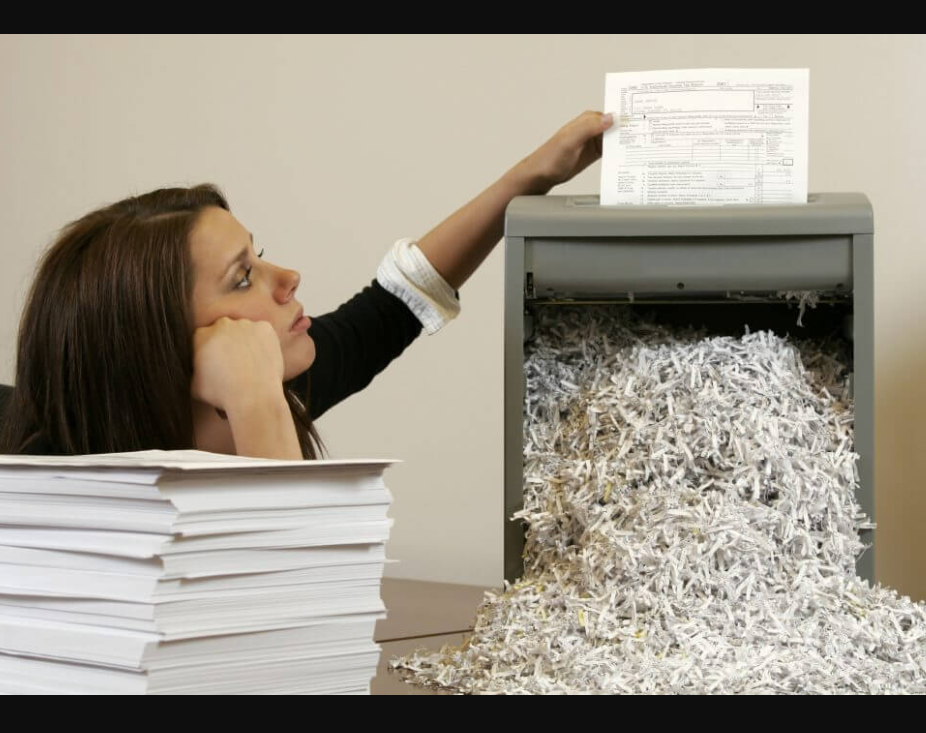
In today’s information-driven world, data security is not limited to computers and online systems. Physical documents still contain a vast amount of sensitive information such as financial records, client details, employee data, and legal contracts. If these documents are not disposed of properly, they can become a major source of identity theft, corporate espionage, and data breaches. This is where document shredding plays a crucial role in ensuring privacy and security.
What Is Document Shredding?
Document shredding is the process of destroying paper documents into small, unreadable pieces using specialized machines called shredders. The goal is to ensure that the information on the documents cannot be reconstructed or misused. Shredding can be done at home, in offices, or through professional shredding services depending on the volume and sensitivity of the documents. For document shredding Lynchburg call 1st Choice Shredding.
There are different levels of shredding, ranging from basic strip-cut shredding to highly secure micro-cut shredding. The more sensitive the data, the finer the shredding required.
Why Document Shredding Is Important
One of the biggest reasons document shredding is essential is identity protection. Many cases of fraud occur because people dispose of bank statements, credit card bills, or medical records without properly destroying them.
For businesses, improper document disposal can lead to serious legal consequences. Companies are often required by law to protect customer data under regulations such as GDPR or HIPAA. Failure to comply can result in heavy fines and loss of reputation.
Additionally, shredding helps organizations maintain confidentiality. Trade secrets, business strategies, and internal communications must remain secure to ensure competitive advantage.
Types of Document Shredding Methods
There are several shredding methods used depending on security requirements:
Strip-Cut Shredding:
This is the most basic form where documents are cut into long vertical strips. It is fast but not very secure.
Cross-Cut Shredding:
This method cuts paper both vertically and horizontally, creating smaller pieces. It offers better security than strip-cut shredding.
Micro-Cut Shredding:
This is the most secure method, turning documents into tiny confetti-like pieces. It is commonly used for highly confidential data.
Industrial Shredding:
Large-scale shredding used by companies and service providers for bulk document destruction.
Who Needs Document Shredding Services?
Almost every organization and individual can benefit from shredding. Banks, hospitals, law firms, and government offices handle large volumes of sensitive data daily. Small businesses also need shredding services to protect customer and employee information.
Even households generate sensitive documents such as utility bills, tax papers, and personal identification records. Regular shredding helps prevent identity theft and fraud.
Professional Shredding Services vs. Home Shredders
Home shredders are suitable for small volumes of documents. They are affordable and convenient but may not provide high-level security or handle large workloads.
Professional shredding services, on the other hand, are ideal for businesses. These services often include scheduled pickups, on-site shredding, and certificates of destruction for compliance purposes. They use industrial-grade machines that ensure complete destruction of documents.
Environmental Benefits of Shredding
Document shredding is not just about security; it also supports environmental sustainability. Shredded paper is often recycled and reused in the production of new paper products. This reduces waste and supports eco-friendly practices in offices and industries.
Best Practices for Document Shredding
To maximize security, organizations should implement a clear shredding policy. Documents should be categorized based on sensitivity. Sensitive files should be shredded immediately after use, while less critical documents can be stored for a limited time before disposal.
Employees should also be trained on proper document handling and disposal procedures.
Conclusion
Document shredding is a simple yet highly effective way to protect sensitive information. Whether for individuals or large organizations, it plays a vital role in maintaining privacy, ensuring legal compliance, and supporting environmental sustainability. In a world where data is one of the most valuable assets, secure document destruction is no longer optional—it is essential.
