
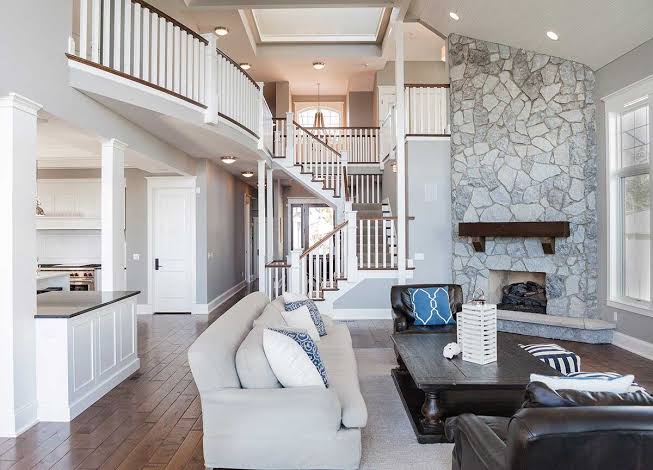
A remodel can transform how you live, from a dated kitchen that finally works for your family to a bathroom that feels like a retreat. But renovation is also complex, expensive, and disruptive. A clear plan makes the difference between a rewarding project and a stressful one. Looking for a Winston Salem roofing company contact Jacob’s Ladder Construction & Roofing LLC.
Define Your Goals
Start by asking why you want to remodel. Are you fixing function, improving comfort, updating style, or increasing resale value? Your answer shapes every decision that follows. A family planning to stay for twenty years may prioritize personal taste, while a homeowner preparing to sell should focus on broadly appealing upgrades.
Set a Realistic Budget
Establish a total budget and include a contingency of ten to twenty percent for surprises. Older homes in particular can hide issues such as outdated wiring, plumbing problems, or water damage that only emerge once walls are opened. Remember that costs extend beyond materials and labor to include permits, design fees, and temporary living adjustments.
Prioritize Where to Spend
Kitchens and bathrooms are often the most impactful rooms, but they’re also the most expensive per square foot. Consider which areas will deliver the greatest benefit for your lifestyle. Sometimes smaller upgrades, such as new lighting, fresh paint, and updated hardware, can deliver a dramatic effect at modest cost.
Choose Your Team
Depending on scope, you may work with a general contractor, an architect, a designer, or a combination. A general contractor coordinates trades, schedules inspections, and manages timelines. When hiring, verify licensing and insurance, check references, and review past projects. Obtain multiple written bids that spell out scope, materials, payment schedule, and timeline.
Understand Permits and Codes
Structural changes, electrical work, and plumbing alterations generally require permits. Skipping them can create problems during resale or insurance claims. A professional contractor will handle permitting, but you should confirm who is responsible.
Design for Function
Good design starts with how you actually use the space. In a kitchen, think about workflow between the sink, stove, and refrigerator, along with storage and counter space. In bathrooms, consider ventilation, lighting, and accessibility. If you plan to age in place, features such as wider doorways, curbless showers, and lever handles add long-term value.
Materials and Quality
Durable, well-chosen materials save money over time. Flooring, countertops, and cabinetry should match your household’s wear and tear. Order long-lead items early, since delays in delivery can stall the entire project.
Living Through the Remodel
Expect dust, noise, and disruption. If you’re remodeling a kitchen, set up a temporary cooking area. Communicate regularly with your contractor, and agree in advance on working hours, site cleanup, and how changes will be handled. Change orders add cost, so finalize decisions before construction begins.
Avoid Common Mistakes
- Starting without a firm budget or plan
- Choosing the lowest bid without checking quality
- Ignoring storage needs
- Overpersonalizing in a way that hurts resale
- Failing to document agreements in writing
The Finishing Touches
Before making the final payment, walk through the project with your contractor and create a punch list of any remaining items. Retain warranties, receipts, and product information for future reference.
Final Thoughts
A successful remodel combines vision, planning, and the right professionals. Take time to define your priorities, protect your budget, and communicate clearly. The result is a home that works better and feels more like yours.
