
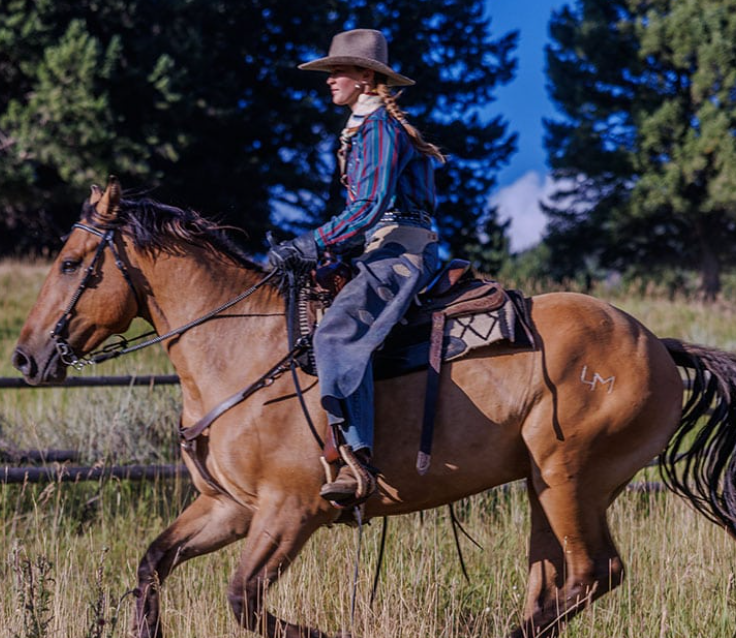
Horseback riding is one of the oldest forms of human transportation and has evolved into a popular recreational activity, competitive sport, and therapeutic practice. It is a unique partnership between humans and the animal horse, requiring communication, balance, and trust. Whether done in an arena, on a trail, or in competition, horseback riding offers a blend of physical activity and emotional connection with nature.
For beginners, it may seem intimidating at first, but with proper guidance, it becomes an enjoyable and rewarding skill. For horseback riding Smith Mountain Lake call Slocum Appaloosa Ranch.
Understanding the Basics of Riding
Before mounting a horse, it is important to understand the basic components involved in riding:
- Posture and balance: A rider must maintain a straight but relaxed posture.
- Communication: Horses respond to subtle cues such as leg pressure, body weight shifts, and reins.
- Equipment knowledge: Saddles, bridles, helmets, and boots all play a vital role in safety and control.
Learning these fundamentals helps beginners build confidence and prevents unnecessary mistakes during early riding sessions.
Getting Comfortable with the Horse
A strong bond with the horse is essential. Riders usually begin with grooming and walking the horse before riding. This helps both the rider and the horse become familiar with each other.
Key steps include:
- Approaching the horse calmly
- Grooming to build trust
- Learning how to saddle properly
- Practicing leading the horse on foot
These early interactions create trust, which is the foundation of successful riding.
Basic Riding Techniques
Once mounted, beginners start with simple techniques:
- Walking: The slowest gait, ideal for beginners.
- Trotting: A faster, bouncy gait that requires balance.
- Steering: Using reins and body weight to guide direction.
- Stopping: Learning to gently pull back and use voice commands.
These skills are usually taught in controlled environments such as riding schools or enclosed arenas.
Safety Measures in Horseback Riding
Safety is extremely important. Riders should always:
- Wear a certified helmet
- Use proper riding boots with a heel
- Follow instructor instructions carefully
- Avoid sudden movements around horses
- Check equipment before every ride
Proper safety habits reduce risks and ensure a smooth learning experience.
Benefits of Horseback Riding
Horseback riding is not just a sport—it also offers multiple benefits:
- Improves balance and coordination
- Strengthens core muscles
- Enhances mental focus
- Reduces stress and anxiety
- Builds confidence and discipline
Many people also find it emotionally therapeutic due to the connection formed with the horse.
Conclusion
Horseback riding is a journey of learning, patience, and partnership. It combines physical skill with emotional intelligence, making it one of the most fulfilling outdoor activities. With consistent practice and respect for the horse, anyone can develop the confidence to ride safely and enjoyably.
