
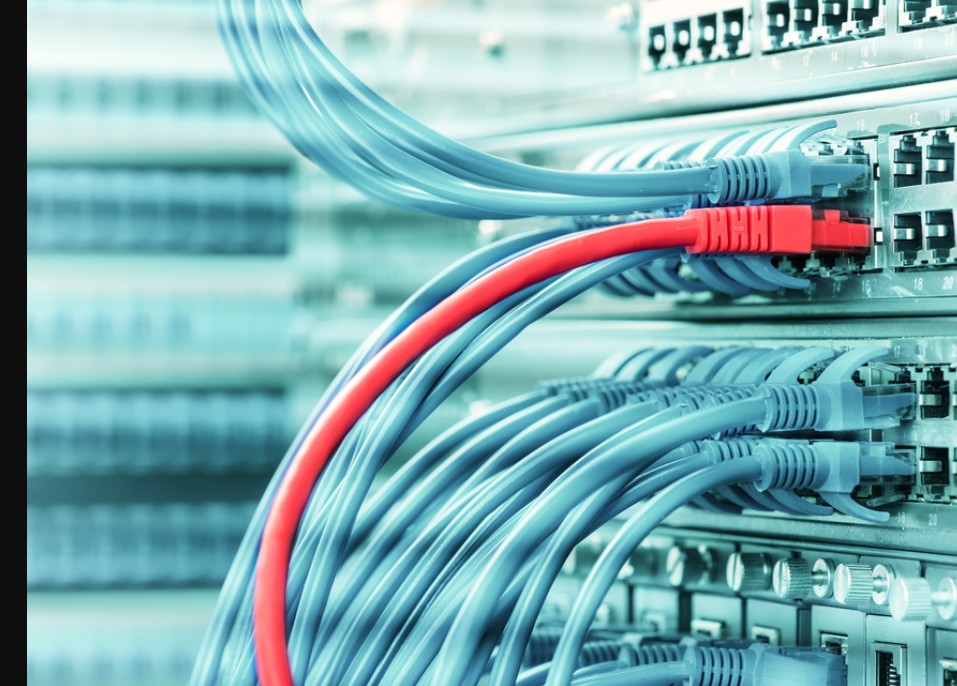
What is Network Cabling?
Network cabling refers to the physical wiring that connects computers, servers, and other devices within a network. It forms the backbone of any IT infrastructure, enabling data to travel efficiently between systems. Whether in homes, offices, or large data centers, reliable cabling ensures seamless communication and uninterrupted connectivity.
Types of Network Cables
There are several types of network cables used depending on the requirements of speed, distance, and environment. The most common types include:
- Twisted Pair Cables (Ethernet): These are widely used for local area networks (LANs). Categories like Cat5e, Cat6, and Cat6a offer varying speeds and performance levels.
- Coaxial Cables: Traditionally used for cable television and internet connections, though less common in modern LAN setups.
- Fiber Optic Cables: These cables use light to transmit data, offering extremely high speeds and long-distance capabilities. They are ideal for large-scale networks and high-bandwidth applications.
Each cable type has its own advantages, and choosing the right one depends on the specific needs of the network.
Benefits of Structured Network Cabling
Structured network cabling provides a standardized approach to organizing and managing cables. This system offers several key benefits:
- Improved Performance: Properly installed cabling reduces interference and ensures consistent data transmission speeds.
- Scalability: As businesses grow, structured cabling allows easy expansion without major disruptions.
- Reduced Downtime: Organized cabling makes troubleshooting and maintenance easier, minimizing network outages.
- Cost Efficiency: Though the initial investment may be higher, it saves money in the long run by reducing maintenance and upgrade costs.
Installation Best Practices
Installing network cabling requires careful planning and execution. Here are some best practices to follow:
- Plan the Layout: Before installation, map out the network design, including cable routes and device locations.
- Use Quality Materials: High-quality cables and connectors ensure durability and better performance.
- Avoid Interference: Keep network cables away from electrical wires to prevent signal disruption.
- Label Everything: Proper labeling helps in identifying cables during maintenance or upgrades.
- Test the Network: After installation, test all connections to ensure everything is functioning correctly.
Following these practices ensures a reliable and efficient network infrastructure.
Common Challenges in Network Cabling
Despite its importance, network cabling can present several challenges:
- Cable Management Issues: Poor organization can lead to tangled wires and difficulty in troubleshooting.
- Signal Interference: External factors like electromagnetic interference can affect performance.
- Physical Damage: Cables can wear out or get damaged over time, especially in high-traffic areas.
- Outdated Infrastructure: Older cables may not support modern high-speed requirements.
Addressing these challenges requires regular maintenance and timely upgrades.
Future of Network Cabling
With the rapid advancement of technology, network cabling continues to evolve. Fiber optic technology is becoming more widespread due to its speed and reliability. Additionally, innovations like Power over Ethernet (PoE) allow devices to receive power and data through a single cable, simplifying installations. For network cabling Greensboro contact Applied Telecom, Inc.
As businesses increasingly rely on cloud computing, IoT devices, and high-speed internet, the demand for robust network cabling solutions will only grow. Investing in modern cabling infrastructure today ensures readiness for future technological developments.
Conclusion
Network cabling is a critical component of any communication system. It not only supports daily operations but also plays a vital role in long-term scalability and efficiency. By choosing the right type of cables, following best practices, and staying updated with new technologies, organizations can build a strong and reliable network foundation.
