
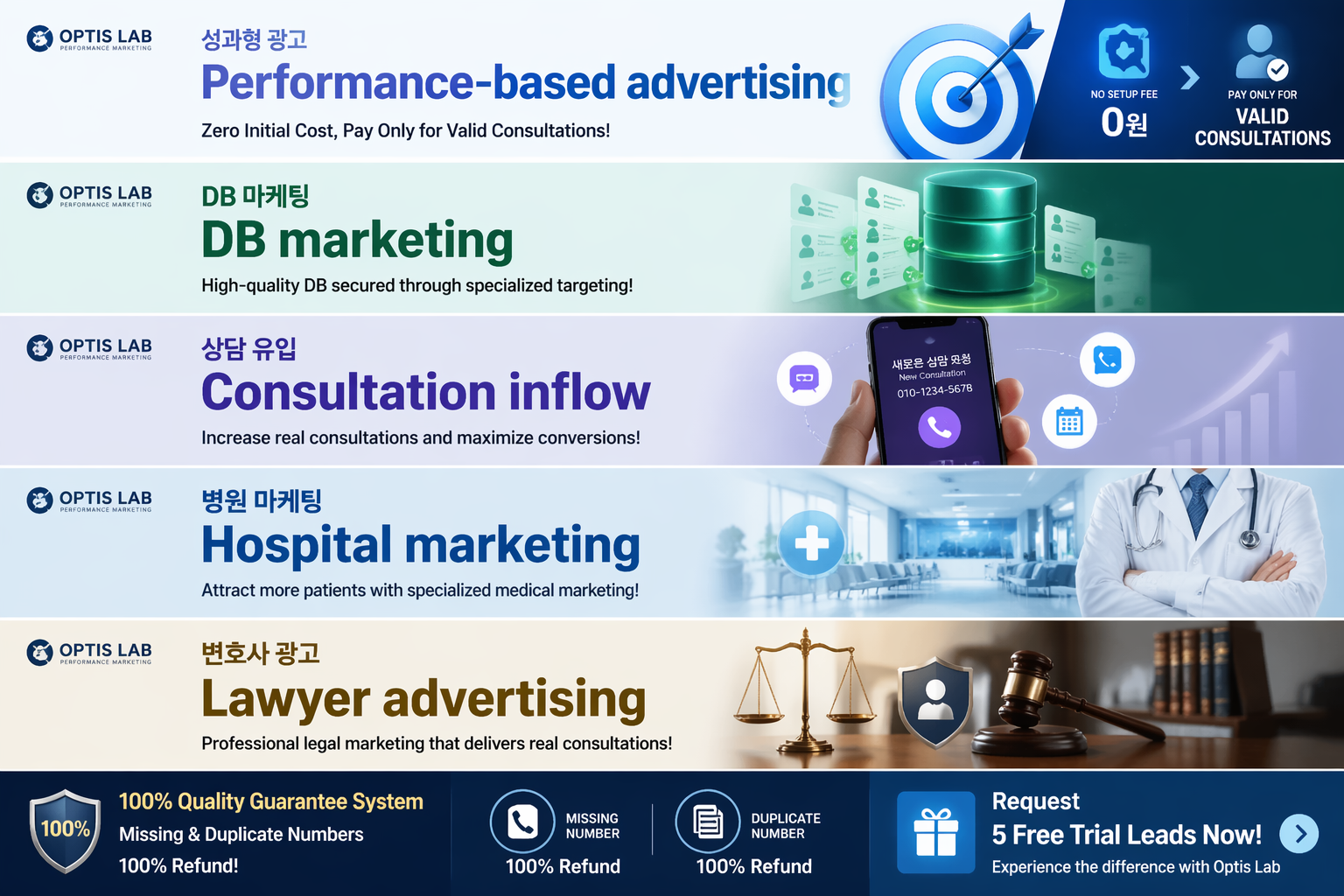
In today’s fast-paced and competitive world, businesses across various industries need to ensure that they maximize their marketing efforts. This is especially true for sectors like law and healthcare, where professionals aim to target the right audience and increase their client base. Traditional advertising methods may no longer yield the same results as before, which is why performance-based advertising has become a game-changer. It allows businesses, including law firms, to reach their target audience more effectively while ensuring they only pay for valid consultations or leads. Let’s dive deeper into how performance-based models in Sherwood Park Family Lawyer, along with techniques like DB marketing and consultation inflow, are revolutionizing the legal industry.
The Importance of Lawyer Advertising
Effective advertising is essential for any lawyer or law firm looking to expand their clientele. However, lawyer advertising comes with its unique challenges, especially when it comes to measuring results. Traditional methods, such as TV commercials, billboards, or radio ads, often fail to deliver measurable results, and firms end up spending large sums of money with little understanding of their return on investment (ROI).
This is where performance-based advertising in Korean, steps in. It allows law firms to create targeted campaigns where they only pay for results – namely, valid consultations or inquiries. This not only maximizes advertising efficiency but also reduces wasted spending.
Understanding Performance-Based Advertising in Lawyer Marketing
Performance-based advertising is a model where advertisers pay only when a specific action is completed, such as a consultation request or a completed form submission. This is a significant shift from traditional forms of advertising, where businesses pay upfront for ad placements without any guarantee of a return.
In lawyer advertising, the performance-based model focuses on generating valid leads. Law firms typically pay for actions like form submissions, phone calls, or consultation bookings rather than just paying for ad impressions or clicks. This ensures that the marketing budget is spent effectively, generating real consultations instead of simply attracting unqualified prospects.
One of the key benefits of performance-based advertising for lawyers is its ability to filter out irrelevant leads. By focusing on valid consultations, law firms can increase the quality of their leads, reducing the time spent on consultations that are unlikely to convert into clients. This model ultimately allows law firms to focus their efforts on those who are genuinely interested in their legal services, making every marketing dollar count.
The Role of DB Marketing in Lawyer Advertising
DB marketing, or Database marketing, plays a pivotal role in performance-based lawyer advertising. This approach involves leveraging client and prospect data to create targeted campaigns. By building and analyzing a database of potential clients, law firms can use personalized marketing techniques to increase the chances of generating valid consultations.
For example, law firms can use their database to send personalized emails, newsletters, or offers that cater to specific legal needs, such as personal injury, family law, or estate planning. This type of direct marketing not only nurtures existing relationships but also attracts new clients by addressing their unique concerns and challenges.
DB marketing allows law firms to collect valuable data about their clients, including their preferences, behavior, and interactions. This data can then be used to optimize future marketing campaigns, ensuring that the messages and offers resonate with the target audience. By doing so, law firms can further enhance the efficiency of their performance-based advertising campaigns.
Consultation Inflow and Its Impact on Lawyer Marketing
Consultation inflow refers to the number of consultations or inquiries a law firm receives through its marketing efforts. In performance-based advertising, this metric is crucial because it directly impacts the law firm’s ability to convert leads into clients. More consultations mean more opportunities for lawyers to showcase their expertise and secure clients.
Effective consultation inflow is directly related to a well-optimized advertising strategy. By using performance-based models, law firms ensure that they only pay for consultations, making it easier to track and measure the success of their campaigns. Additionally, firms can fine-tune their campaigns based on the performance data, optimizing their ads to drive more valid consultations and increase conversion rates.
For instance, if a law firm notices that a particular campaign or ad is generating a high number of consultations but not converting them into clients, they can adjust their approach to target a more qualified audience. This continual process of optimization ensures that the firm maximizes its marketing ROI and attracts clients who are genuinely in need of legal services.
Hospital Marketing and Its Relationship to Lawyer Advertising
Though hospital marketing and lawyer advertising serve different industries, there are several similarities between the two. Both sectors require targeted, performance-driven advertising to attract relevant clients. Hospitals can use performance-based models to focus on generating appointments or consultations, just like lawyers focus on driving valid consultations.
In both cases, digital marketing tools such as search engine optimization (SEO), social media advertising, and paid search campaigns are used to reach potential clients. For hospitals, these campaigns may focus on generating appointment requests, while for law firms, the goal is to drive consultations.
Hospital marketing often relies heavily on localized campaigns, targeting specific geographic areas to attract patients who are nearby and in need of healthcare services. Similarly, lawyer advertising can benefit from localized targeting, particularly in cities or regions where the law firm operates. By optimizing their campaigns for specific locations, both hospitals and law firms can ensure that they attract the right kind of clientele.
Leveraging Lawyer Advertising to Stand Out in a Competitive Market
In a competitive market, it’s essential for law firms to differentiate themselves and attract clients who are looking for specialized legal services. Performance-based advertising allows law firms to focus their marketing efforts on high-quality leads, ensuring that they are not wasting money on broad, generic campaigns.
Lawyers can differentiate themselves by offering tailored solutions for specific legal issues, such as personal injury, criminal defense, or family law. By using performance-based advertising, law firms can ensure that they reach individuals who are actively seeking their specific services, making it more likely that consultations will lead to conversions.
Moreover, performance-based advertising gives law firms the flexibility to adjust their marketing strategies quickly. For example, if a campaign is underperforming, it can be modified or paused to prevent further waste of the advertising budget. This ability to adapt quickly ensures that law firms can remain competitive and continue to attract valid consultations even in a changing marketplace.
The Future of Lawyer Advertising with Performance-Based Models
As technology continues to evolve, the future of lawyer advertising looks promising. The rise of artificial intelligence (AI) and machine learning will allow law firms to better understand client behavior and optimize their marketing strategies further. AI-powered tools can analyze vast amounts of data to predict which leads are most likely to convert, helping law firms refine their campaigns and improve consultation inflow.
Moreover, with the increasing reliance on digital platforms, performance-based advertising will continue to grow in importance. Law firms will continue to shift their focus toward targeted online advertising channels, such as Google Ads, Facebook Ads, and other digital marketing platforms, where they can pay for valid consultations rather than just impressions or clicks.
By adopting performance-based advertising, law firms can maximize their marketing budgets, improve the quality of their leads, and ultimately grow their client base. This model offers a future-proof approach to lawyer advertising that ensures firms remain competitive and efficient in the years to come.
Conclusion
In conclusion, performance-based advertising DB marketing, and consultation inflow are transforming lawyer advertising, ensuring that law firms get the most value out of their marketing campaigns.
With the ability to target specific, high-quality leads and only pay for valid consultations, law firms can optimize their marketing budgets and improve their ROI. As the legal industry continues to grow and evolve, adopting performance-based models will be essential for staying ahead of the competition and attracting the right clients.
For law firms looking to explore performance-based advertising further, resources like OptiSlab.io provide valuable insights and tools to help optimize marketing campaigns and drive better results.
