
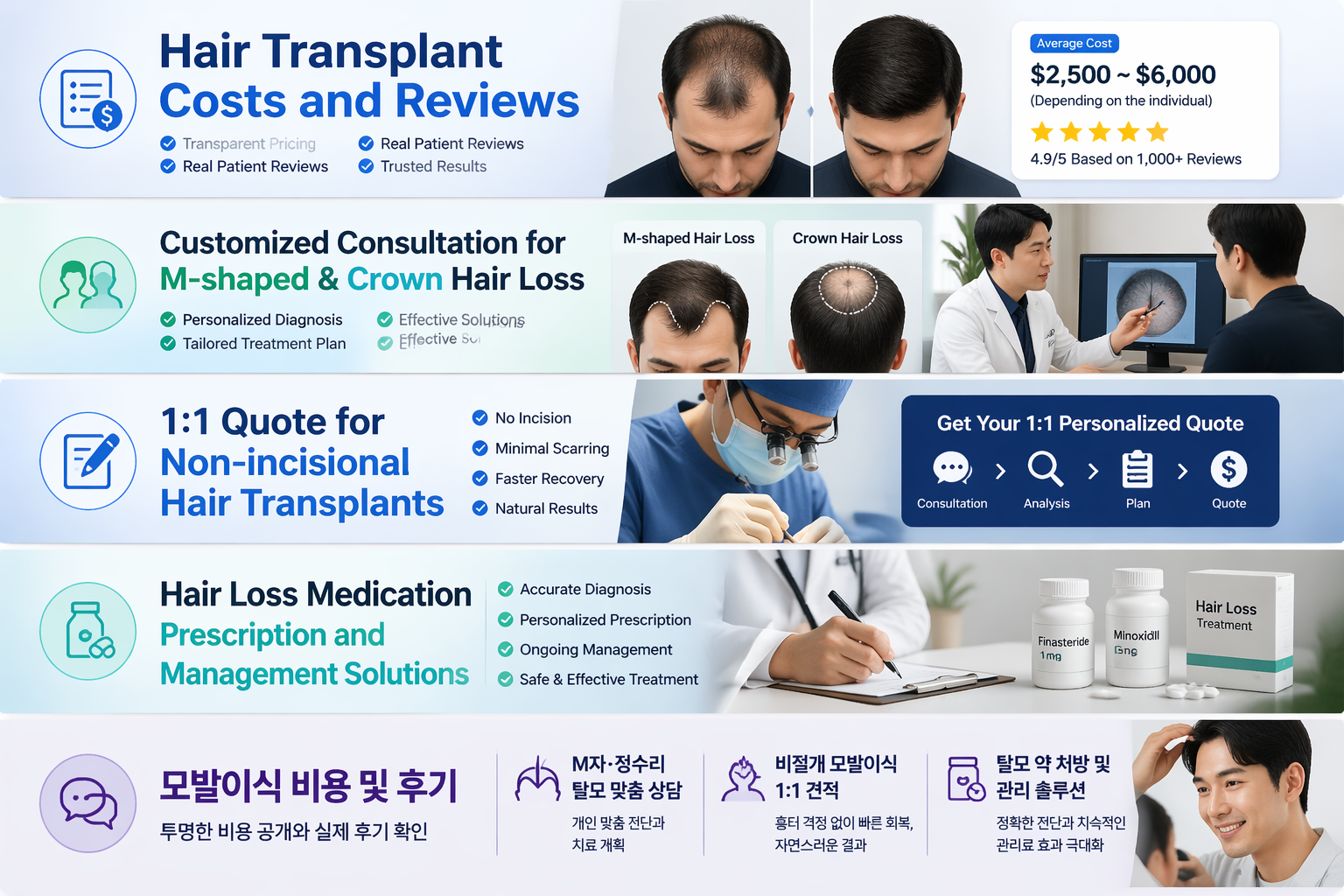
Hair loss is a common concern for many people across the globe, and it can be a source of emotional distress. Whether due to genetic factors, medical conditions, or lifestyle changes, hair loss can affect a person’s confidence and self-esteem. Fortunately, advancements in medicine and technology have provided a variety of solutions, including hair loss medications, management strategies, and treatments. In this comprehensive guide, we’ll explore the different types of hair loss, how medications and treatments work, and offer insights into managing hair loss effectively. This article is aimed at helping you navigate the options available and making an informed decision about hair loss management or 탈모 약 처방 및 관리 솔루션.
Understanding Hair Loss: Causes and Types
Hair loss, medically known as alopecia, can occur for several reasons. The most common cause is androgenic alopecia, also known as male-pattern baldness or female-pattern baldness. However, other factors can contribute to hair loss, such as medical conditions, stress, poor diet, or hormonal imbalances.
- Male-Pattern Baldness (Androgenic Alopecia)
This is the most common type of hair loss in men, characterized by a receding hairline and thinning at the crown of the head. It usually starts around the age of 20 and progresses over time. It is primarily caused by genetics and the action of male hormones (androgens). - Female-Pattern Baldness
Women may experience hair thinning across the scalp, especially in the crown area. Unlike men, female-pattern baldness does not usually cause complete baldness but rather diffuse thinning. - Alopecia Areata
This is an autoimmune condition where the body’s immune system mistakenly attacks hair follicles, leading to round patches of hair loss on the scalp and other parts of the body. - Telogen Effluvium
This condition occurs when there is a sudden shedding of hair after a stressful event or a major life change, such as pregnancy, surgery, or illness. - Traction Alopecia
This type of hair loss is caused by prolonged tension on the hair follicles, often due to hairstyles such as tight ponytails, braids, or buns.
Hair Loss Medication Prescription: Solutions for Prevention and Regrowth
There are several hair loss medications available that can help treat the condition. These medications work in different ways to either slow down the progression of hair loss or promote hair regrowth. Below, we will explore the most commonly prescribed medications for hair loss.
1. Minoxidil: A Topical Solution
Minoxidil, commonly known by brand names like Rogaine, is an over-the-counter topical treatment that is applied directly to the scalp. It is one of the most widely used and recommended solutions for hair regrowth. Minoxidil is believed to work by stimulating hair follicles, increasing blood flow to the scalp, and extending the growth phase of the hair cycle.
Minoxidil is available in both liquid and foam forms and is applied twice daily to the affected areas. It is approved for both men and women, though it may be more effective in individuals with early stages of hair loss. Although results can vary, some users see visible improvements in hair thickness and growth after several months of consistent use.
2. Finasteride: Oral Medication for Men
Finasteride, also known by the brand name Propecia, is an oral prescription medication that is primarily used for male-pattern baldness. It works by inhibiting the action of dihydrotestosterone (DHT), a hormone that plays a significant role in hair loss. By blocking DHT, finasteride helps prevent further hair loss and may encourage regrowth.
Finasteride is typically prescribed for men and is not approved for use in women due to potential side effects. While it has been shown to be effective in preventing hair loss and promoting regrowth, results may take several months to become noticeable. Like minoxidil, it is essential to continue using finasteride to maintain the benefits.
3. Dutasteride: A Stronger Alternative to Finasteride
Dutasteride, marketed as Avodart, is another oral medication used to treat hair loss. Similar to finasteride, dutasteride works by blocking DHT, but it is more potent and inhibits both types of enzymes responsible for converting testosterone to DHT. This makes it a more effective option for some men who do not respond well to finasteride.
Dutasteride is not FDA-approved for hair loss treatment, but it is used off-label for this purpose. It is generally prescribed when other treatments, such as finasteride, have not been successful. However, it is important to note that dutasteride can cause similar side effects as finasteride, including sexual dysfunction and potential birth defects if used by women.
4. Low-Level Laser Therapy (LLLT)
Low-level laser therapy, or LLLT, is a non-invasive treatment option for hair loss. It uses light energy to stimulate hair follicles and promote hair growth. The treatment is typically delivered through laser devices such as combs, helmets, or caps that emit low-level lasers onto the scalp.
Studies have shown that LLLT can be effective in improving hair density and thickness, particularly for individuals with androgenic alopecia. This therapy is FDA-cleared for both men and women and is often used in conjunction with other hair loss treatments.
Customized Consultation for M-shaped & Crown Hair Loss
For individuals experiencing hair loss, especially in specific areas such as the M-shaped hairline or crown, a personalized approach is often the best solution. Customized consultations with hair specialists can help determine the underlying causes of hair loss and develop a tailored treatment plan that addresses the specific needs of the individual.
For example, M-shaped hair loss is common among men and is typically caused by male-pattern baldness. A customized consultation can help assess the extent of the hair loss and recommend the most suitable treatments, including medications, hair transplants, or a combination of both.
Similarly, crown hair loss can be more challenging to treat, as it often requires specialized strategies to restore fullness to the area. Hair transplant procedures, such as non-incisional hair transplants, may be recommended for those with significant crown thinning or baldness.
By seeking professional advice and a customized treatment plan, individuals can better manage their hair loss and achieve optimal results.
Non-Incisional Hair Transplants: 1:1 Quote for Hair Restoration
Non-incisional hair transplants have gained popularity due to their minimally invasive nature and faster recovery times compared to traditional methods. This technique involves harvesting hair follicles from the donor area using a specialized tool, which does not require incisions or stitches. The follicles are then transplanted into the thinning or balding areas of the scalp.
One of the key benefits of non-incisional hair transplants is the reduced risk of scarring and a quicker recovery period. It is particularly suitable for individuals who want to avoid the traditional scalp flap method, which involves larger incisions and more extensive healing. A 1:1 quote for non-incisional hair transplants can help patients understand the costs and tailor the treatment to their specific needs.
Hair transplant specialists will conduct an assessment to determine the best approach for the patient’s hair restoration goals. Factors such as the extent of hair loss, the donor area, and the desired outcome will all be taken into consideration during the consultation process.
Managing Hair Loss with Medication: Ongoing Solutions
While medications like minoxidil and finasteride can help slow down hair loss and promote regrowth, they are not one-time solutions. Consistency is key to managing hair loss effectively. Patients must adhere to prescribed treatment regimens and regularly follow up with their healthcare providers to monitor progress.
In addition to medication, managing lifestyle factors such as diet, stress levels, and overall health can contribute to better hair growth outcomes. A balanced diet rich in vitamins, minerals, and proteins is essential for maintaining healthy hair follicles. Reducing stress through relaxation techniques and regular exercise can also help prevent further hair loss.
It is important to note that hair loss medications are not a one-size-fits-all solution. Some individuals may experience side effects or may not see significant improvements. Therefore, it is crucial to consult with a healthcare provider to explore the best options for managing hair loss based on individual needs.
Hair Loss Medications and Management Solutions: Conclusion
Hair loss can be a challenging condition to manage, but with the right approach, it is possible to slow down the process and even restore lost hair. Medications such as minoxidil and finasteride have proven to be effective for many individuals in preventing further hair loss and promoting regrowth. For those seeking a more permanent solution, non-incisional hair transplants can provide excellent results with minimal downtime.
Customized consultations for specific types of hair loss or M자·정수리 탈모 맞춤 상담, such as M-shaped and crown hair loss, are crucial for developing a personalized treatment plan. If you are considering hair loss medications or treatments, it is always recommended to seek professional advice to ensure the best possible outcomes. For more information on hair loss medications, treatments, and consultations, visit Hair Optislab.
