
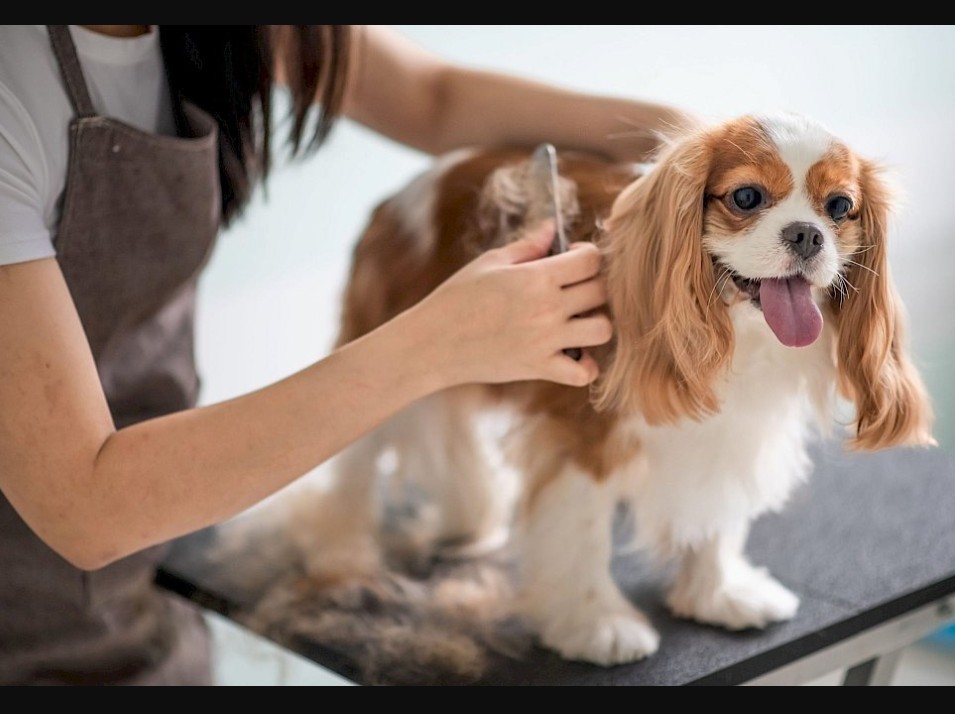
Dog grooming is more than just a way to keep your pet looking clean and adorable—it is a vital part of maintaining their overall health and well-being. Whether you are a first-time dog owner or a seasoned pet lover, understanding proper grooming techniques can make a significant difference in your dog’s comfort, hygiene, and happiness. From brushing and bathing to nail trimming and ear cleaning, each aspect of grooming plays a unique role in your dog’s care routine.
Why Dog Grooming Matters
Regular grooming is essential for preventing common health issues in dogs. Dirt, parasites, and bacteria can easily accumulate in your dog’s fur, leading to skin infections or unpleasant odors. Grooming helps remove these harmful elements while also allowing you to check for unusual signs such as lumps, rashes, or ticks. For dog grooming Greensboro call Vickie’s Pampered Pet to ensure your pet receives professional care and attention.
Additionally, grooming supports better blood circulation and helps distribute natural oils across the coat, keeping it shiny and healthy. Beyond the physical benefits, grooming also strengthens the bond between you and your pet, as it involves trust, touch, and consistent attention.
Brushing: The Foundation of Grooming
Brushing your dog’s coat is one of the simplest yet most important grooming tasks. The frequency of brushing depends on your dog’s breed and coat type. Long-haired breeds require daily brushing to prevent tangles and matting, while short-haired dogs may only need brushing once or twice a week.
Using the right brush is key. Slicker brushes work well for removing tangles, while bristle brushes are ideal for smoothing the coat. Regular brushing not only keeps your dog looking neat but also reduces shedding and prevents hair from spreading around your home.
Bathing Your Dog Properly
Bathing is another essential part of dog grooming, but it should not be done too frequently. Overbathing can strip your dog’s skin of natural oils, leading to dryness and irritation. Typically, dogs should be bathed every 4–6 weeks, although this can vary based on their activity level and coat type.
Always use a dog-specific shampoo, as human products can be too harsh for their skin. Make sure to rinse thoroughly to avoid residue, which can cause itching. After bathing, drying your dog properly is equally important to prevent fungal infections, especially in breeds with thick fur.
Nail Trimming: A Crucial Yet Overlooked Task
Many dog owners overlook nail trimming, but it is a crucial aspect of grooming. Overgrown nails can cause discomfort, affect your dog’s posture, and even lead to joint problems over time.
Ideally, a dog’s nails should be trimmed every 3–4 weeks. If you can hear your dog’s nails clicking on the floor, it’s a sign they are too long. Use proper dog nail clippers and be careful not to cut too close to the quick, as this can cause pain and bleeding.
Ear and Eye Care
Cleaning your dog’s ears and eyes is another important part of grooming. Dogs with floppy ears are especially prone to ear infections due to moisture buildup. Regularly checking and cleaning their ears with a vet-approved solution can help prevent issues.
Similarly, wiping away dirt or discharge from your dog’s eyes keeps them comfortable and reduces the risk of infections. Always use a soft, damp cloth and avoid using harsh chemicals near sensitive areas.
Dental Hygiene for Dogs
Oral care is often neglected in dog grooming routines, but it is just as important as brushing their coat. Poor dental hygiene can lead to bad breath, gum disease, and even serious health problems affecting the heart and kidneys.
Brushing your dog’s teeth several times a week with a dog-friendly toothpaste can significantly improve their oral health. Dental chews and toys can also help reduce plaque buildup.
Professional Grooming vs. DIY
While many grooming tasks can be done at home, professional groomers offer specialized services that may be difficult to manage on your own. Professional grooming includes haircuts, de-shedding treatments, and thorough cleaning that ensures every part of your dog is properly cared for.
However, regular at-home grooming is still essential between professional visits. A balanced approach—combining both professional services and home care—provides the best results for your dog.
Grooming Tips for Different Breeds
Different breeds have unique grooming needs. For example, double-coated breeds require special attention during shedding seasons, while curly-haired dogs need regular trimming to prevent matting. Understanding your dog’s specific requirements helps you tailor a grooming routine that suits them best.
If you’re unsure, consulting a veterinarian or professional groomer can provide valuable guidance based on your dog’s breed and lifestyle.
Building a Grooming Routine
Consistency is key when it comes to grooming. Establishing a routine not only keeps your dog clean but also helps them become comfortable with the process. Start grooming your dog at a young age so they get used to being handled.
Keep sessions short and positive, rewarding your dog with treats and praise. This creates a stress-free experience and makes grooming something your dog looks forward to.
Conclusion
Dog grooming is an essential responsibility that goes beyond aesthetics. It plays a vital role in maintaining your dog’s health, comfort, and happiness. By incorporating regular brushing, bathing, nail trimming, and hygiene practices into your routine, you ensure your pet lives a healthier and more enjoyable life.
Whether you choose to groom your dog at home or rely on professional services, the key is consistency and care. A well-groomed dog is not only a joy to look at but also a reflection of a loving and attentive owner.
