
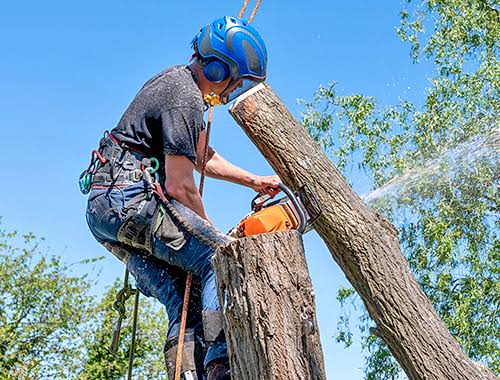
Trees play an important role in sustainable landscaping. They provide shade, contribute to local habitats, help manage rainwater, and improve the appearance of outdoor spaces. Responsible tree service supports these benefits by maintaining tree health and helping property owners make thoughtful decisions about pruning, preservation, and removal. Are you searching for Lynchburg tree service, call RMZ Tree Service.
Preserving Healthy Trees Whenever Possible
One of the most effective ways to support a sustainable landscape is to preserve healthy, appropriately located trees. Mature trees can take many years to replace, and their established canopies provide benefits that newly planted trees cannot immediately match.
Professional tree inspections help determine whether a tree can remain in place safely. Selective pruning may address specific problems without requiring complete removal.
When removal is necessary because of severe damage, disease, or unacceptable structural risk, property owners can discuss suitable replacement planting options.
Using Pruning to Support Natural Growth
Responsible pruning focuses on maintaining a tree’s structure and removing branches that are dead, damaged, diseased, or interfering with essential clearance.
Excessive cutting can weaken a tree and encourage poorly attached regrowth. It may also reduce canopy cover and expose bark to damaging sunlight.
A qualified tree care professional can recommend pruning methods that balance safety, appearance, and long-term tree health.
Managing Tree Waste Responsibly
Tree maintenance generates branches, leaves, and wood that require appropriate handling. Instead of automatically sending every material to a landfill, property owners and contractors may be able to reuse some of it.
Clean wood can sometimes be retained as firewood, depending on the species and local restrictions. Branches may be chipped into mulch, and suitable untreated wood may be used in landscaping projects.
Diseased plant material and invasive species may require different disposal methods to avoid spreading pests or disease. Local guidance should determine the appropriate approach.
Choosing Trees for Long-Term Success
Sustainable landscaping begins with selecting trees suited to the property’s soil, climate, available space, and water conditions.
A tree that grows too large for its location may eventually conflict with roofs, sidewalks, or utility lines. Choosing appropriate species and planting locations can reduce the need for extensive corrective pruning later.
Property owners should also consider root growth, mature canopy size, maintenance requirements, and local ecological conditions before planting.
Balancing Safety and Environmental Value
Preserving trees is important, but safety remains a priority. A severely compromised tree may need to be removed when its potential failure creates unacceptable risks.
Decisions should consider the tree’s condition, location, available management options, and relevant local regulations.
A professional assessment can help identify practical ways to preserve valuable trees while addressing specific hazards.
Conclusion
Responsible tree service supports sustainable landscaping through appropriate pruning, tree preservation, thoughtful removal decisions, and better management of organic waste. With long-term planning and professional guidance, property owners can maintain attractive outdoor spaces while protecting the environmental value of their trees.
