
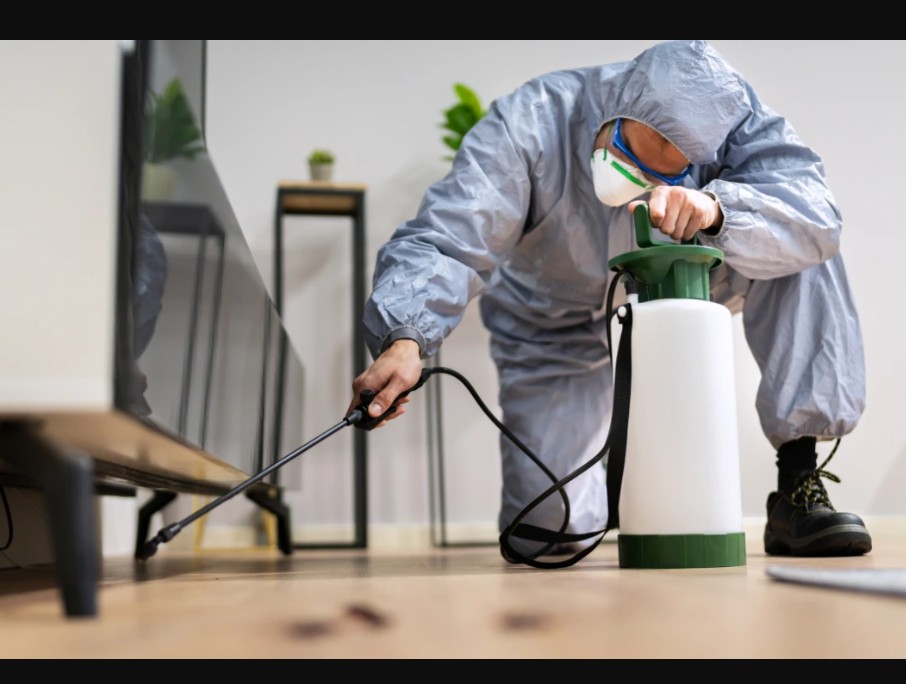
Pest control is an essential part of maintaining a healthy, safe, and comfortable living environment. Whether it is ants in the kitchen, rodents in the attic, or mosquitoes in the yard, pests can quickly become a serious nuisance if not managed properly. Modern pest control is no longer just about reacting to infestations; it is about prevention, monitoring, and sustainable management techniques that protect both people and the environment.
Why Pest Control Matters in Everyday Life
Pests are more than just an inconvenience. They can carry diseases, contaminate food, damage property, and trigger allergies. For example, cockroaches can spread bacteria like Salmonella, while rodents can chew through electrical wiring, increasing the risk of fire hazards. Mosquitoes are known carriers of diseases such as dengue and malaria in many regions.
Beyond health risks, pests also create psychological stress. A home infested with insects or rodents often feels unsafe and uncomfortable. This is why effective pest control is not a luxury—it is a necessity for maintaining quality of life. For pest control Parkersburg, call Elite Pest Management.
Common Household Pests and Their Behavior
Understanding pest behavior is the first step in controlling them. Ants, for example, are attracted to food crumbs and sugary substances. They live in colonies and follow scent trails, which is why a single ant sighting often leads to a full infestation.
Cockroaches prefer warm, dark, and moist environments such as kitchens and bathrooms. They are nocturnal and reproduce quickly, making them difficult to eliminate once established.
Rodents such as rats and mice seek shelter indoors during colder months. They can squeeze through very small openings and are highly adaptable, which makes prevention crucial.
Mosquitoes breed in stagnant water and are most active during dawn and dusk. Even small water collections like flower pots or open containers can become breeding grounds.
Prevention: The First Line of Defense
The most effective pest control strategy begins with prevention. Keeping a clean environment reduces the chances of attracting pests. Regular cleaning of floors, kitchen counters, and storage areas is essential. Food should always be stored in sealed containers, and garbage should be disposed of frequently.
Sealing entry points is another important step. Cracks in walls, gaps under doors, and holes around pipes should be properly closed. Installing door sweeps and window screens can significantly reduce pest entry.
Proper waste management also plays a key role. Overflowing trash bins attract flies, rodents, and cockroaches. Ensuring tight-lidded containers and timely disposal helps keep pests away.
Natural and Chemical Control Methods
When prevention is not enough, control methods are necessary. Many homeowners prefer natural solutions before using chemical pesticides. For example, peppermint oil is known to repel ants and spiders, while vinegar solutions can help clean and deter certain insects.
Biological control methods are also gaining popularity. This involves using natural predators or environmentally friendly organisms to control pests. For instance, introducing ladybugs can help reduce aphid populations in gardens.
Chemical pesticides are effective but should be used carefully. Overuse can lead to resistance in pests and potential health risks for humans and pets. It is always recommended to follow safety instructions and use targeted applications rather than widespread spraying.
Integrated Pest Management (IPM) Approach
Modern pest control relies heavily on Integrated Pest Management (IPM). This approach combines multiple strategies such as prevention, monitoring, biological control, and limited chemical use. The goal is not to completely eliminate pests but to keep them at manageable levels.
IPM encourages regular inspection of homes and early detection of pest activity. Sticky traps, monitoring devices, and professional inspections help identify problems before they become severe.
When to Call Professional Pest Control Services
While minor pest problems can often be handled at home, severe infestations require professional help. Pest control experts have specialized tools and knowledge to handle complex infestations safely and effectively.
Professional services are especially important for termites, which can cause structural damage without being easily detected. Similarly, large rodent or bed bug infestations often require advanced treatment methods.
Conclusion
Pest control is a continuous process that combines cleanliness, prevention, and timely action. By understanding pest behavior and adopting smart control strategies, homeowners can protect their living spaces from damage and disease. A proactive approach is always more effective than dealing with a full-blown infestation later. Maintaining awareness and using a balanced combination of natural, chemical, and professional methods ensures a safe and pest-free environment.
