
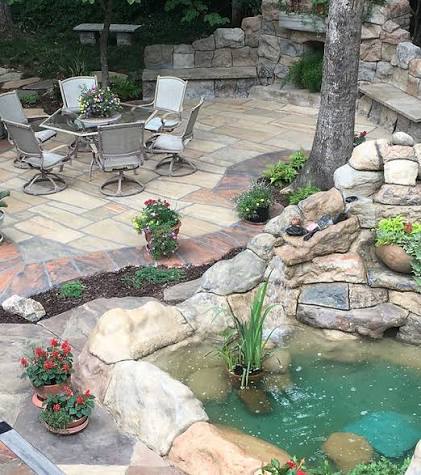
Decorative concrete has become a popular choice for homeowners, commercial property owners, and designers who want attractive, durable, and practical surfaces. Unlike traditional concrete, which is often associated with plain gray finishes, decorative concrete offers a wide range of colors, textures, patterns, and design possibilities. It combines the strength of conventional concrete with the visual appeal of premium flooring and paving materials. For Lynchburg stamped concrete contact Premier Concrete.
Whether used for driveways, patios, walkways, pool decks, or indoor floors, decorative concrete can improve the appearance and functionality of almost any property.
What Is Decorative Concrete?
Decorative concrete is a specialized concrete finishing method that enhances the appearance of concrete surfaces through different treatments and techniques. Instead of leaving concrete with a basic finish, contractors use coloring, stamping, staining, polishing, and texturing methods to create attractive designs.
Some popular decorative concrete options include:
-
Stamped concrete: Creates patterns resembling natural stone, brick, slate, or wood.
-
Stained concrete: Adds rich colors and unique visual effects to existing or newly poured concrete.
-
Polished concrete: Produces a smooth, reflective surface suitable for residential and commercial interiors.
-
Colored concrete: Incorporates pigments to achieve different shades and decorative finishes.
-
Exposed aggregate: Reveals decorative stones within the concrete surface for a natural appearance.
Each technique provides different aesthetic benefits, allowing property owners to choose a finish that complements their architectural style.
Benefits of Choosing Decorative Concrete
One of the biggest advantages of decorative concrete is its durability. Properly installed and maintained concrete can withstand regular foot traffic, vehicle movement, and changing weather conditions. This makes it suitable for both indoor and outdoor applications.
Another important benefit is design flexibility. Property owners can select different colors, patterns, textures, and finishes to achieve a customized appearance. Decorative concrete can imitate expensive materials while maintaining the practical advantages of concrete.
Maintenance is also relatively simple. Regular cleaning and occasional resealing, depending on the finish and exposure, can help preserve its appearance. Compared with certain natural materials, decorative concrete may require less ongoing maintenance.
Cost-effectiveness is another reason people consider this option. Although the initial installation price varies according to design complexity and preparation requirements, decorative concrete can provide long-term value through durability and versatility.
Popular Applications of Decorative Concrete
Decorative concrete works well in many areas of residential and commercial properties.
Driveways are among the most common applications. A stamped or colored concrete driveway can create an attractive entrance while providing a strong surface for vehicles.
Patios benefit from decorative finishes because homeowners can create inviting outdoor entertainment areas. Textured concrete can also provide additional surface grip when appropriately specified.
Walkways and garden paths can be enhanced with patterns that complement landscaping features. Inside homes, polished or stained concrete flooring offers a modern appearance that works particularly well in contemporary interiors.
Commercial properties also use decorative concrete for entrances, retail spaces, restaurants, offices, and public areas.
Why Professional Installation Matters
Although decorative concrete offers numerous advantages, achieving a high-quality finish requires experience and proper preparation. Contractors must understand concrete mixtures, surface conditions, finishing techniques, curing processes, and sealing requirements.
Poor installation can lead to uneven coloring, surface defects, cracking, or premature deterioration. Professional contractors evaluate the project environment and recommend suitable materials and finishing methods.
They also help property owners select designs that balance appearance, safety, durability, and maintenance requirements.
Maintaining Decorative Concrete
Proper maintenance helps extend the life of decorative concrete. Sweep away dirt and debris regularly, clean stains promptly, and use suitable cleaning products. Outdoor surfaces may require periodic resealing to protect against moisture, sunlight, and everyday wear.
Avoid harsh chemicals or cleaning methods that could damage the selected finish. Following the contractor’s maintenance recommendations is particularly important for colored, stained, or stamped surfaces.
Conclusion
Decorative concrete offers an excellent combination of beauty, durability, and design flexibility. From elegant patios to attractive driveways and modern interior floors, it provides practical solutions for improving residential and commercial spaces. With professional installation and appropriate maintenance, decorative concrete can remain an attractive and functional feature for many years.
