
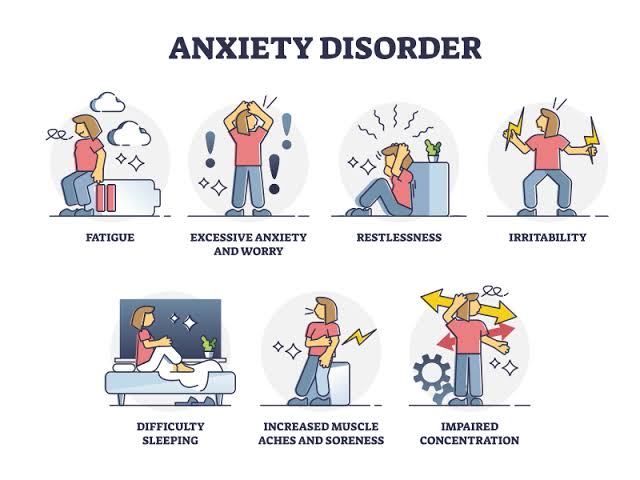
Anxiety can influence how a person thinks, feels, behaves, and responds physically to stressful situations. While occasional anxiety is a normal part of life, persistent or disruptive symptoms may lead someone to seek professional help.
An anxiety specialist Birmingham is a professional with relevant training or experience in working with anxiety-related concerns. Depending on the healthcare system, this may include psychologists, psychotherapists, counsellors, psychiatrists, or other qualified mental health professionals.
Understanding what an anxiety specialist does can help individuals make informed decisions when looking for appropriate support.
What Is an Anxiety Specialist?
The phrase anxiety specialist generally refers to a qualified professional who has particular knowledge or experience in assessing and supporting people with anxiety-related difficulties.
It is important to remember that professional titles vary between countries. Not every person using the term “specialist” has the same qualifications or authority.
When choosing an anxiety specialist, it is useful to verify:
- Professional education
- Licensing or accreditation
- Relevant clinical experience
- Areas of specialization
- The types of services offered
Checking credentials can help ensure that you are working with an appropriately qualified professional.
What Conditions or Concerns Can an Anxiety Specialist Address?
Panic Attack Therapy Birmingham may work with a broad range of concerns. These can include:
Generalized Worry
Some people experience frequent and difficult-to-control worry about multiple areas of life, including work, family, finances, or health.
Social Anxiety
Social situations can create intense worry for some individuals, particularly when they fear embarrassment, criticism, or negative evaluation.
Panic Symptoms
Some people experience sudden episodes of intense fear accompanied by physical sensations such as a racing heartbeat, shaking, sweating, dizziness, or shortness of breath.
Because physical symptoms can have different causes, appropriate medical evaluation may sometimes be necessary.
Specific Fears
Certain situations, objects, or activities may trigger significant fear and avoidance.
Stress and Life Transitions
Anxiety can also become more noticeable during major changes such as career transitions, relationship difficulties, relocation, or significant personal responsibilities.
An anxiety specialist can help explore how these experiences affect an individual’s emotional well-being.
How Does an Anxiety Specialist Assess Your Needs?
The first stage often involves understanding the person’s experiences in detail.
An assessment may include questions about:
- Current symptoms
- Emotional experiences
- Daily routines
- Stressful situations
- Avoidance patterns
- Personal history
- Family and social circumstances
- Previous treatment or therapy
The goal is generally to build a clearer picture of what the individual is experiencing and determine what type of support may be appropriate.
An assessment is not simply a checklist. A qualified professional should consider the individual’s circumstances, concerns, and goals.
Treatment and Support Options
The approach recommended by an anxiety specialist depends on the person’s needs and the professional’s qualifications.
Psychological Therapy
Many anxiety specialists provide or recommend structured psychological therapies. These may include cognitive behavioral approaches, acceptance-based methods, mindfulness-informed therapy, or other forms of psychotherapy.
Behavioral Strategies
Behavioral strategies may focus on patterns such as avoidance. A professional may help an individual gradually develop confidence in situations that currently feel difficult.
Coping and Emotional Regulation Skills
Clients may learn techniques designed to help them manage stressful situations, recognize emotional patterns, and respond more effectively to anxious thoughts.
Collaborative Care
In some situations, mental health professionals may work alongside other healthcare providers. The type of collaboration depends on the individual’s circumstances, local healthcare system, and professional roles.
What Is the Difference Between an Anxiety Therapist and an Anxiety Specialist?
The terms can overlap.
An anxiety therapist usually describes a professional who provides therapy for anxiety-related concerns.
An anxiety specialist may refer more broadly to a professional with focused knowledge or experience in anxiety. Depending on their qualifications, a specialist may provide assessment, psychotherapy, medical evaluation, or other forms of care.
The most important factor is not simply the title. It is the professional’s qualifications, experience, and suitability for the individual’s needs.
How to Find a Qualified Anxiety Specialist
When researching professionals, consider the following steps.
1. Review Professional Credentials
Look for clear information about education, licensing, registration, or accreditation.
2. Check Relevant Experience
Find out whether the professional regularly works with anxiety-related concerns.
3. Understand Their Services
Different professionals offer different types of support. Some primarily provide therapy, while others may focus on assessment or medical care.
4. Ask About Their Approach
A professional should be able to explain how they generally work and what you can expect.
5. Consider Accessibility
Practical factors matter. Consider location, appointment availability, online options, costs, and insurance coverage where relevant.
Preparing for Your First Appointment
Many people feel nervous before meeting an anxiety specialist for the first time. Preparing a few notes can make the conversation easier.
You might write down:
- The main concerns you want to discuss
- When you first noticed the problem
- Situations that make anxiety worse
- Physical or emotional symptoms you have experienced
- Previous support you have received
- Questions you want to ask
You do not need to have every detail organized. The purpose of the appointment is to help you explore what you are experiencing.
Questions to Ask an Anxiety Specialist
Consider asking:
- What qualifications and professional registrations do you have?
- How much experience do you have with anxiety-related concerns?
- What treatment or therapeutic approaches do you use?
- What can I expect from the first few sessions?
- How will progress be reviewed?
- Do you provide online appointments?
- What should I do if my symptoms become more severe?
Clear answers can help you understand whether the professional is a good match.
When Is Urgent Help Needed?
Anxiety can sometimes occur alongside severe emotional distress or other urgent concerns. If someone feels at immediate risk of harming themselves or another person, or is experiencing a medical emergency, they should contact local emergency services or seek immediate professional assistance.
For non-emergency but worsening symptoms, contacting a qualified healthcare or mental health professional can help identify appropriate next steps.
Supporting Anxiety Management in Everyday Life
Professional care can be supported by practical habits. Depending on the individual, helpful strategies may include:
- Creating a regular sleep routine
- Taking manageable breaks
- Practicing breathing or relaxation exercises
- Engaging in appropriate physical activity
- Maintaining social connections
- Reducing unnecessary avoidance
- Creating realistic daily goals
No single strategy works for everyone. An anxiety specialist can help identify approaches that fit an individual’s circumstances.
Frequently Asked Questions
Do I need a referral to see an anxiety specialist?
This depends on the healthcare system, insurance requirements, and the type of professional you want to see. Some services allow direct appointments, while others require a referral.
Can an anxiety specialist diagnose anxiety disorders?
Diagnostic authority depends on the professional’s qualifications and local regulations. A licensed psychologist, psychiatrist, physician, or other appropriately qualified professional may have different responsibilities depending on the country.
How long does treatment take?
The length of treatment varies significantly. Some people seek focused short-term support, while others benefit from longer-term care.
Can I see an anxiety specialist online?
Many professionals offer remote appointments where permitted. It is important to verify the provider’s qualifications and whether they are authorized to work with clients in your location.
Final Thoughts
An anxiety specialist can provide knowledgeable support for individuals experiencing persistent worry, fear, avoidance, panic symptoms, or other anxiety-related challenges.
The best professional for one person may not be the best fit for another. When choosing a specialist, focus on verified qualifications, relevant experience, communication style, and the type of support offered.
Seeking professional guidance can be an important step toward understanding anxiety and developing effective ways to manage difficult situations. With appropriate support and a personalized approach, individuals can work toward greater confidence, emotional awareness, and improved day-to-day well-being.
