
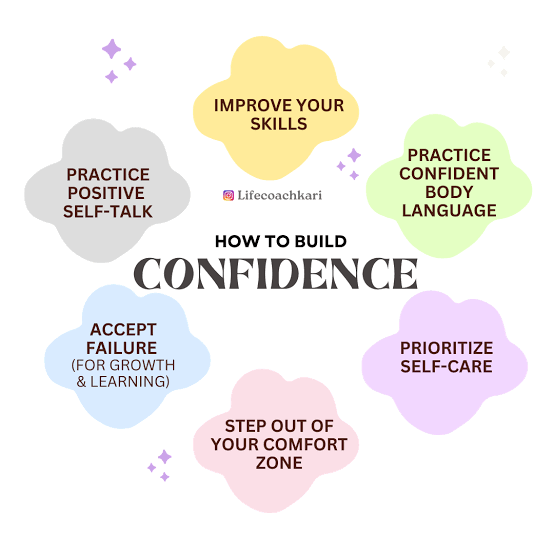
Self-improvement helps individuals strengthen personal abilities, manage their time, develop confidence, and make progress toward meaningful goals. By combining realistic planning with consistent practice, people can build skills that support both personal and professional development. If you are looking for a Bay Area spiritual retreat call The Source Center for Healing, Retreat.
Why Is Personal Development Important?
Personal development encourages people to recognize their strengths, understand their limitations, and take responsibility for their growth.
Improved communication can strengthen relationships. Better time management can reduce avoidable stress. Learning new professional skills may create opportunities for career advancement.
Self-improvement is not about becoming perfect. It is about making deliberate changes that support a more capable and satisfying life.
How Do You Set Effective Personal Goals?
A useful goal should describe a clear outcome and a practical way to work toward it.
For example, someone who wants to improve communication could practice explaining ideas clearly during weekly meetings. Someone who wants to develop a new skill could schedule three short practice sessions each week.
Break larger goals into smaller milestones. This makes progress easier to evaluate and helps prevent a demanding objective from becoming overwhelming.
It is also important to distinguish between goals you can control and outcomes influenced by other people or external circumstances.
What Are the Best Ways to Improve Productivity?
Productivity is not simply about doing more work. It is about using time and attention effectively to complete important tasks.
Try these strategies:
-
Identify the three most important tasks for the day.
-
Divide large projects into manageable steps.
-
Schedule focused work periods.
-
Reduce unnecessary notifications.
-
Take appropriate breaks.
-
Review unfinished tasks without self-criticism.
A simple planning system can help you understand where time goes and identify recurring distractions.
How Can You Build Confidence?
Confidence often develops through preparation, experience, and learning from mistakes.
Begin with manageable challenges, such as sharing an opinion in a meeting, learning a new tool, or initiating a conversation. Review what happened afterward and identify what you can improve.
Avoid interpreting every mistake as evidence of inability. Mistakes can reveal where additional practice or preparation is needed.
Healthy confidence also involves recognizing when you need support or more information.
How Can You Maintain Long-Term Growth?
Review your goals regularly and adjust them as your responsibilities change. Keep a record of achievements, useful lessons, and challenges you have overcome.
Seek feedback from trusted people when appropriate. Constructive feedback can reveal weaknesses that are difficult to recognize independently.
Allow time for rest and relationships. Sustainable growth should support your overall well-being rather than create constant pressure to achieve more.
Frequently Asked Questions
Can self-improvement change your daily life?
Yes. Consistent changes in planning, communication, learning, and habits can improve everyday routines and help you work toward personal goals.
How do I stop procrastinating?
Identify the next small action, remove avoidable distractions, and begin with a short period of focused work.
Is personal development a lifelong process?
Personal development can continue throughout life as priorities, circumstances, and interests evolve.
